

Banana Bread Recipe
Do you have a few bananas sitting on your kitchen counter with brown spots? Don’t throw them away! Those overripe bananas are actually the secret to making the best homemade banana bread.
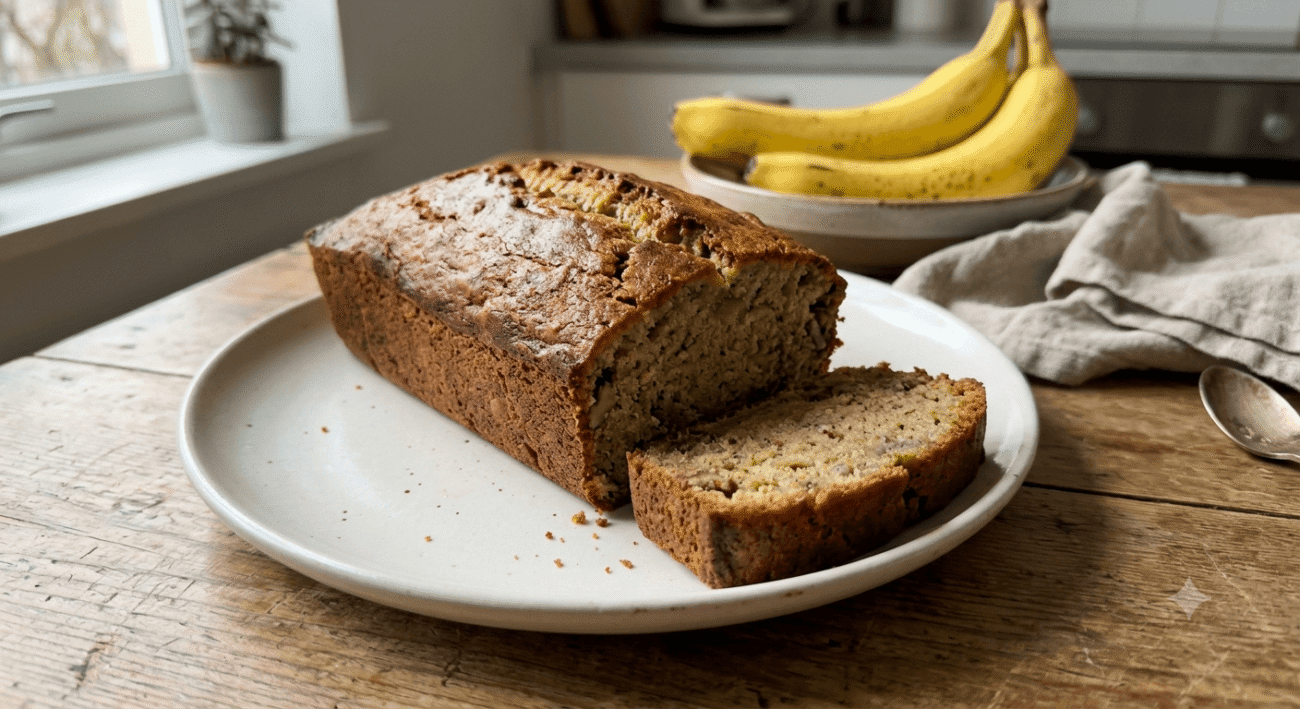
Brown bananas are naturally sweeter, softer, and full of flavor. They mash easily and make every loaf extra moist and delicious. The result is a soft, fluffy banana bread with a light golden crust and rich banana flavor in every bite.
One of the reasons banana bread has been loved for so many years is because it’s simple, comforting, and easy to make. It’s perfect for breakfast, an afternoon snack, or even a cozy weekend treat with a cup of coffee or tea.
The best part? You only need a few everyday ingredients. Ripe bananas, flour, butter, sugar, eggs, vanilla, and a little cinnamon come together to make an incredibly soft and moist loaf. The bananas add natural sweetness, while the vanilla and cinnamon make your kitchen smell amazing as the bread bakes.
And don’t worry if you’re new to baking. You don’t need any fancy equipment or special skills. Just mash the bananas, mix the ingredients, pour the batter into a loaf pan, and let the oven do the work.
Another great thing about this recipe is how easy it is to customize. Love chocolate? Add some chocolate chips. Want a little crunch? Mix in chopped walnuts or pecans. You can even sprinkle a cinnamon streusel topping on top before baking for an extra special finish.
This banana bread also stores really well. It stays soft for several days, and you can freeze extra slices to enjoy later. It’s perfect for meal prep, sharing with family, or keeping as a quick homemade snack.
In this Blog, I’ll show you everything you need to know. You’ll learn how to choose the best ripe bananas, measure your ingredients correctly, avoid common baking mistakes, and know exactly when your banana bread is perfectly baked.
So, if you’re ready to turn a few overripe bananas into a soft, moist, and delicious homemade loaf, let’s get started!
How to Make Banana Bread (Step-by-Step Instructions)
Don’t worry if this is your first time baking. This recipe is simple, beginner-friendly, and easy to follow. You only need a few basic ingredients and a little bit of time. Ready? Let’s go through each step together and bake a soft, moist, and delicious banana bread that turns out perfectly every time.
Step 1: Preheat the Oven and Prepare the Loaf Pan
Preheat your oven to 350°F (175°C).
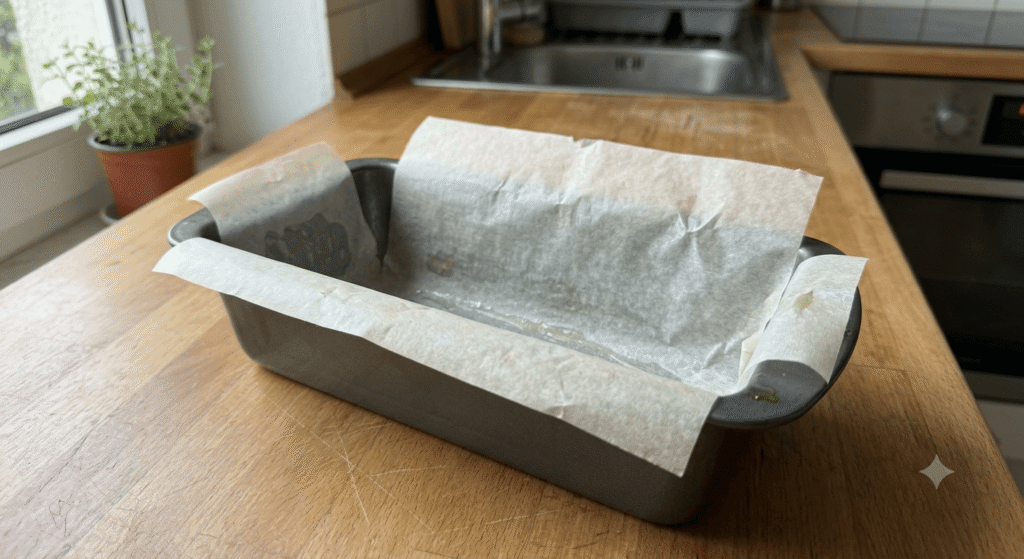
Lightly grease a 9×5-inch loaf pan with butter or nonstick cooking spray. For even easier removal, line the pan with parchment paper, leaving an overhang on the two long sides.
Preparing the pan before mixing the batter ensures the bread can go straight into the oven once the batter is ready.
Baker’s Tip: A fully preheated oven gives the baking soda an immediate boost, helping the loaf rise evenly.
Step 2: Mash the Bananas
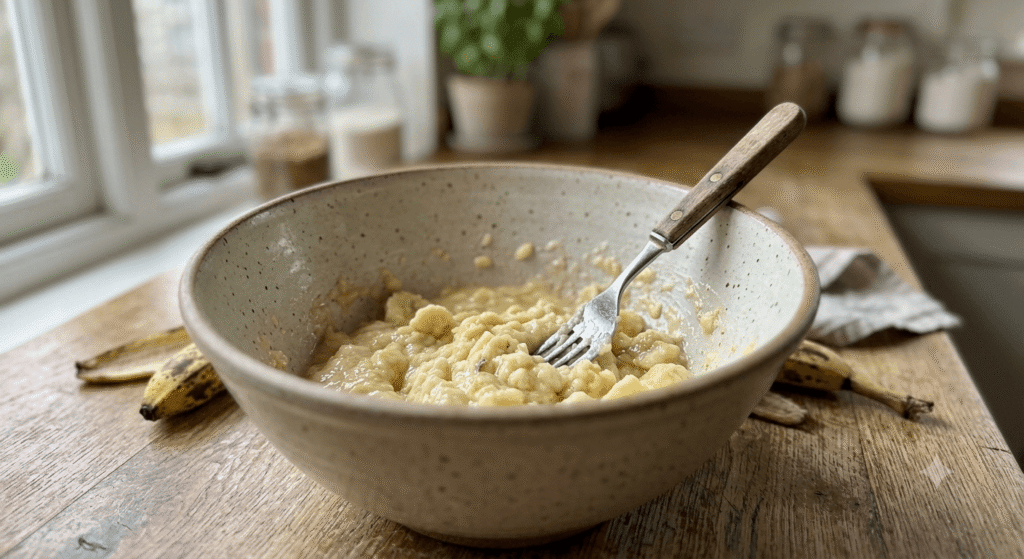
Peel the ripe bananas and place them in a large mixing bowl.
Using a fork or potato masher, mash them until mostly smooth. A few small lumps are perfectly fine and add extra banana flavor throughout the loaf.
You should have approximately:
1½ cups (340g) mashed bananas
The mixture should be thick, creamy, and easy to stir.
Step 3: Mix the Dry Ingredients
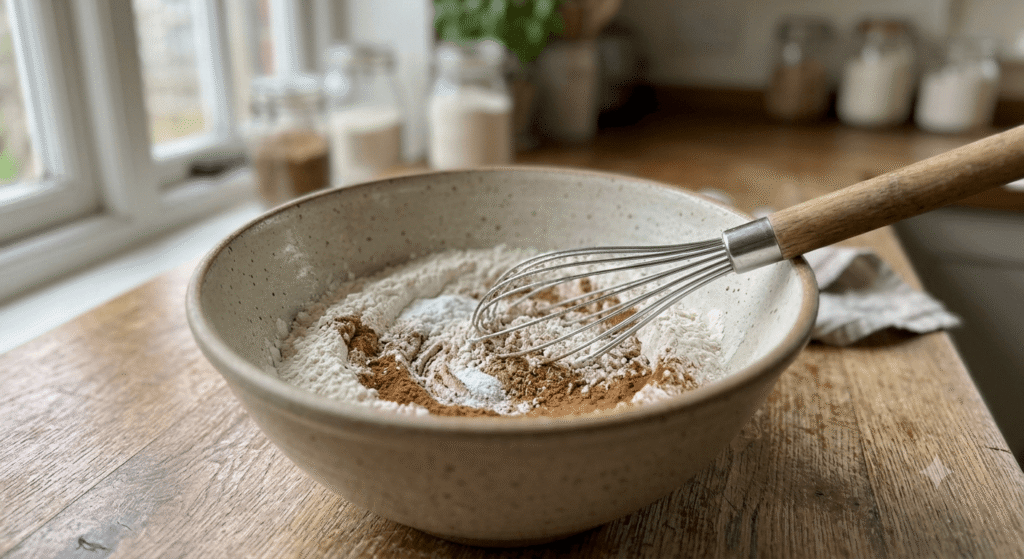
In a separate medium bowl, whisk together:
- 2 cups (250g) all-purpose flour
- 1 teaspoon baking soda
- ½ teaspoon salt
- 1 teaspoon cinnamon (optional)
- ¼ teaspoon nutmeg (optional)
Whisk for about 30 seconds to evenly distribute the baking soda and spices.
This simple step helps the loaf rise evenly and ensures consistent flavor in every slice.
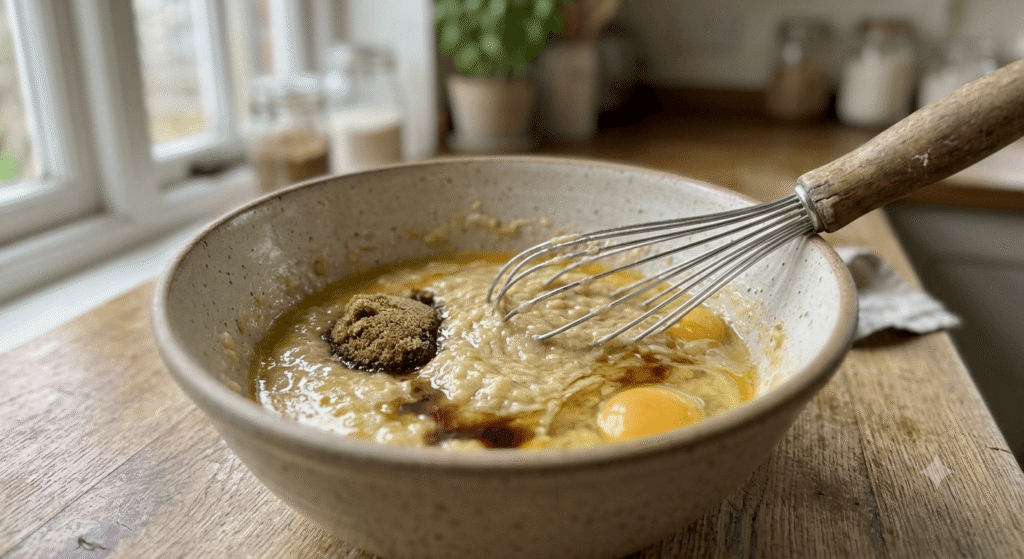
Step 4: Combine the Wet Ingredients
In the bowl with the mashed bananas, add:
- Melted butter
- Brown sugar
- Eggs
- Vanilla extract
Whisk until everything is smooth and well combined.
The batter may still contain tiny banana pieces—that’s exactly what you want.
Step 5: Fold the Batter Together
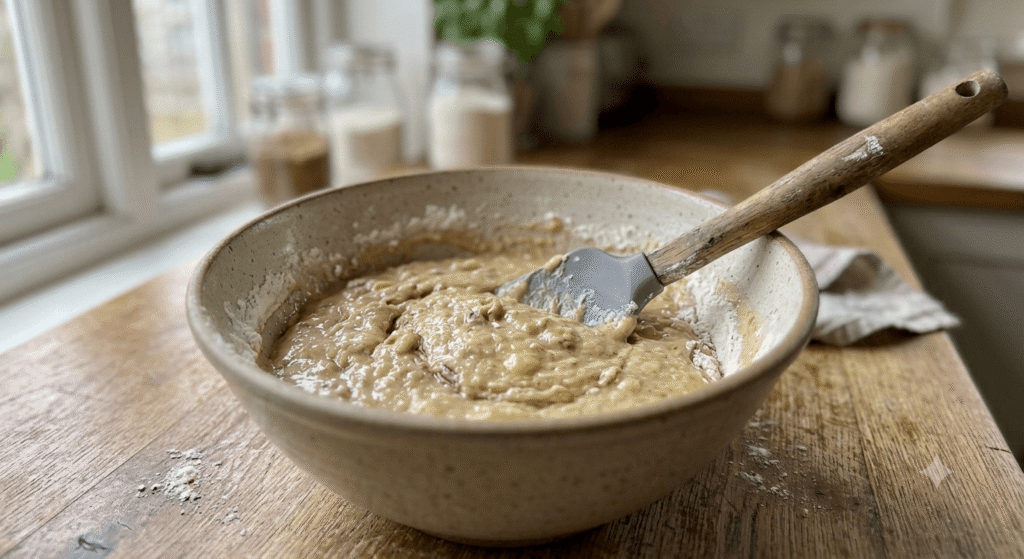
Gradually add the dry ingredients to the wet ingredients.
Using a silicone spatula, gently fold the mixture together until the flour disappears.
The batter should look:
- Thick
- Slightly lumpy
- Smooth enough to spread
Do not continue mixing once no dry flour remains.
Why it matters: Overmixing develops gluten, which can make banana bread dense and chewy instead of soft and tender.
Step 6: Fold in Optional Mix-Ins
Now is the time to add your favorite extras.
Popular choices include:
- ¾ cup chocolate chips
- ¾ cup chopped walnuts
- ¾ cup chopped pecans
- ½ cup shredded coconut
Fold the mix-ins gently into the batter using only a few strokes.
Helpful Tip: Toss chocolate chips or nuts with 1 teaspoon of flour before adding them. This helps prevent them from sinking to the bottom of the loaf.
Step 7: Transfer the Batter
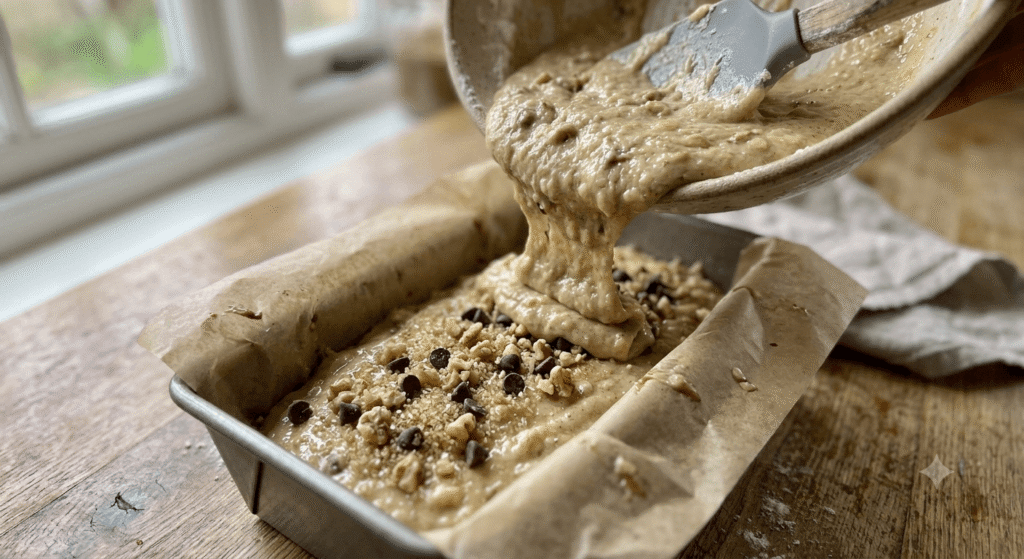
Pour the batter into the prepared loaf pan.
Use the back of a spatula to spread it evenly into the corners and smooth the top.
If desired, sprinkle the top with:
- Coarse sugar
- Chopped walnuts
- Chocolate chips
- Cinnamon streusel
These toppings add texture and create a beautiful bakery-style finish.
Step 8: Bake the Banana Bread
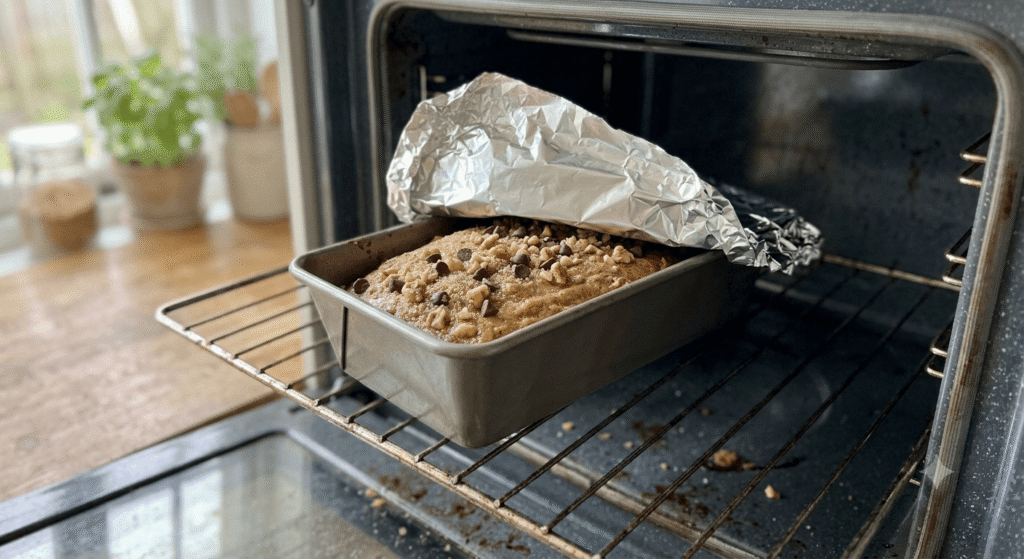
Place the loaf pan on the center rack of the oven.
Bake for:
55–65 minutes
Avoid opening the oven during the first 40 minutes, as sudden temperature changes can affect how the bread rises.
If the top begins browning too quickly near the end of baking, loosely tent the loaf with aluminum foil and continue baking until the center is fully cooked.
Step 9: Check for Doneness
Your banana bread is ready when:
✅ The top is deep golden brown.
✅ A crack has formed down the center.
✅ The loaf springs back lightly when gently pressed.
✅ A toothpick inserted into the center comes out with a few moist crumbs but no wet batter.
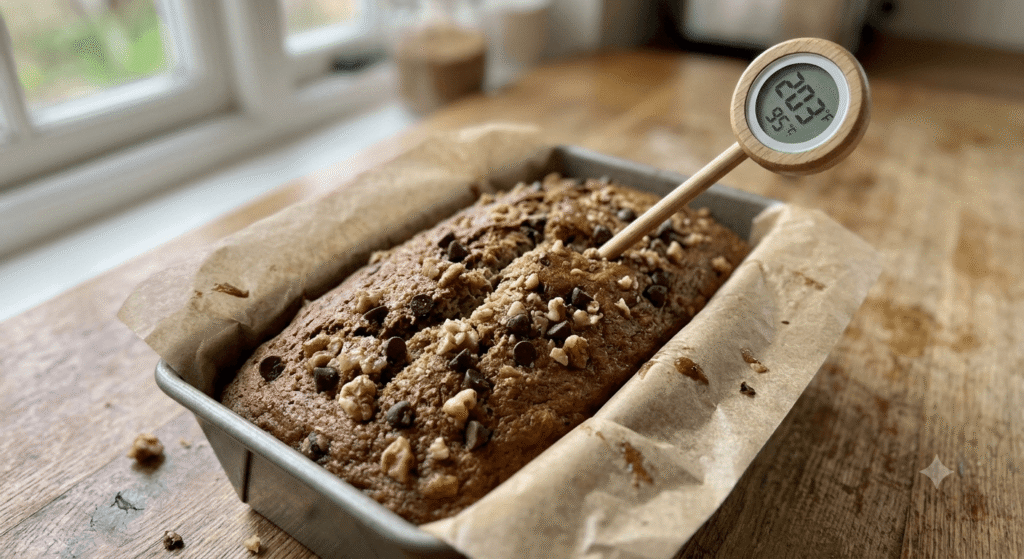
✅ The internal temperature reaches 200–205°F (93–96°C) if using an instant-read thermometer.
Important: A few moist crumbs are ideal. A completely clean toothpick can sometimes mean the bread has baked a little too long.
Step 10: Cool Before Slicing
Remove the loaf from the oven and let it cool in the pan for 10–15 minutes.
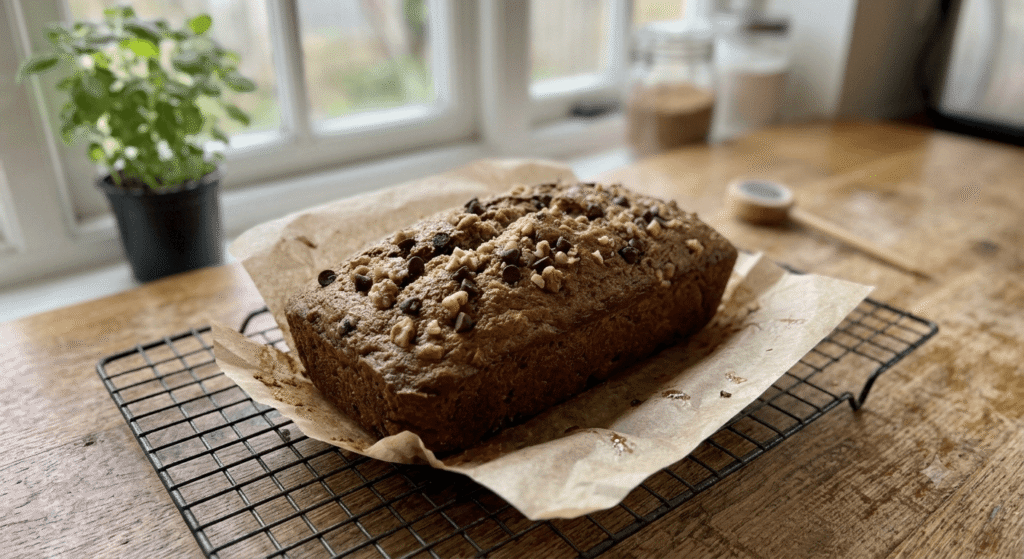
Carefully lift it out using the parchment paper overhang and transfer it to a wire cooling rack.
Allow the bread to cool for at least 20–30 minutes before slicing.
Cooling gives the crumb time to set, resulting in cleaner slices and a softer texture.
Recipe Snapshot
Before we preheat the oven, here’s a quick look at what we’re making.
This easy banana bread recipe uses simple kitchen ingredients and comes together in just a few minutes. As it bakes, your kitchen will fill with the sweet smell of bananas and vanilla.
The result is a soft, moist loaf with rich banana flavor and a beautiful golden crust.
Now, let’s gather our ingredients and get started!
| Recipe Details | Information |
|---|---|
| Recipe Name | Banana Bread Recipe |
| Prep Time | 15 minutes |
| Bake Time | 55–65 minutes |
| Total Time | 1 hour 10–20 minutes |
| Yield | 1 loaf (10 slices) |
| Difficulty | Easy |
| Course | Breakfast, Brunch, Snack, Dessert |
| Cuisine | American |
| Calories | Approximately 260–290 per slice* |
| Primary Ingredient | Very ripe bananas |
| Texture | Moist, soft, tender crumb with a lightly crisp crust |
| Flavor | Rich banana flavor with hints of vanilla and cinnamon |
| Equipment Needed | 9×5-inch loaf pan, mixing bowls, whisk, rubber spatula, cooling rack |
| Best For | Breakfast, coffee breaks, lunchboxes, meal prep, gifting |
| Freezer Friendly | Yes – up to 3 months |
| Make-Ahead Friendly | Yes |
| Dietary Adaptations | Easy to customize with whole wheat flour, dairy-free butter, gluten-free flour blend, or your favorite mix-ins |
Note: Calories are estimates and will vary depending on ingredients and optional add-ins.
Before You Begin
Taking a few minutes to prepare before mixing the batter can make the baking process smoother and help you achieve the best possible results.
✔ Use Very Ripe Bananas
Choose bananas with plenty of brown spots or peels that are mostly brown or black. The riper the bananas, the sweeter and more flavorful your banana bread will be.
✔ Bring Refrigerated Ingredients to Room Temperature
Room-temperature eggs and dairy ingredients blend more easily into the batter, creating a smoother mixture and promoting even baking.
✔ Measure Flour Correctly
For the most accurate measurement, spoon the flour into the measuring cup and level it off with a straight edge. Scooping directly from the bag can pack in extra flour, resulting in a dry or dense loaf.
✔ Prepare the Loaf Pan
Lightly grease a 9×5-inch loaf pan or line it with parchment paper, leaving a slight overhang on the sides. The parchment makes it easy to lift the bread out of the pan after baking.
✔ Preheat the Oven
Preheat your oven to 350°F (175°C) before mixing the batter. A fully preheated oven ensures the bread rises evenly and develops a beautifully golden crust.
✔ Read Through the Recipe
Take a quick look through all of the instructions before you begin. Having your ingredients measured and equipment ready helps the baking process go smoothly and reduces the chance of missing an important step.
Why This Recipe Works
A great banana bread recipe isn’t just about combining ingredients—it’s about understanding how each one contributes to the finished loaf. These simple techniques work together to create a bread that’s moist, tender, and full of flavor.
🍌 Very Ripe Bananas Add Natural Sweetness
As bananas ripen, their starches convert into natural sugars. This not only makes the bread sweeter but also adds extra moisture, helping create a soft, tender crumb without needing excessive sugar.
🍯 Brown Sugar Helps Lock In Moisture
Brown sugar contains molasses, which attracts and retains moisture during baking. That’s one reason this loaf stays soft and flavorful even the next day.
🧈 Melted Butter Adds Rich Flavor
Butter gives banana bread its classic homemade taste while contributing to a tender crumb and beautifully golden crust.
🥄 Baking Soda Creates a Better Rise
The natural acidity of ripe bananas reacts with the baking soda, producing carbon dioxide bubbles that help the loaf rise evenly while keeping the interior light instead of heavy.
🥣 Gentle Mixing Keeps the Bread Tender
Mixing the batter only until the flour disappears prevents too much gluten from developing. This simple step helps ensure a soft, delicate texture rather than a tough or dense loaf.
🌡️ Slow, Even Baking Produces the Perfect Texture
Baking at 350°F (175°C) gives the center enough time to cook through while allowing the outside to develop a beautifully golden crust without becoming overly dark.
⏳ Resting Before Slicing Matters
Although it’s tempting to cut into the loaf immediately, letting it cool for at least 15–20 minutes allows the crumb to finish setting. This makes cleaner slices and preserves the loaf’s soft, moist texture.
Baker’s Insight: The signature crack across the top of banana bread is completely normal—and often a sign of a well-risen loaf. As the batter expands in the oven, the top naturally splits, creating the classic bakery-style appearance that many home bakers aim for.
Ingredients
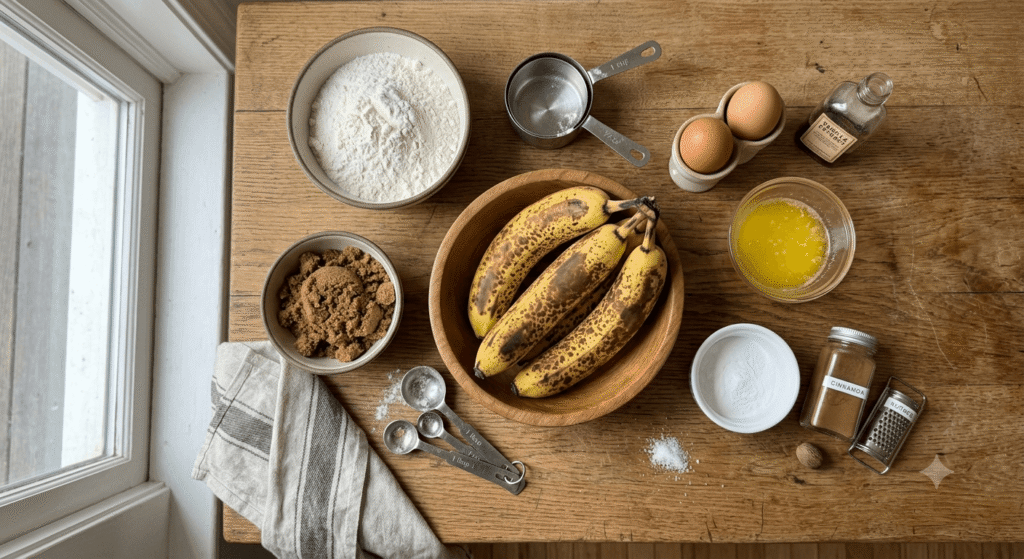
This banana bread recipe uses simple, everyday ingredients that work together to create a loaf that’s moist, tender, and packed with rich banana flavor. For the best results, use very ripe bananas with plenty of brown spots, as they provide the natural sweetness and moisture that make homemade banana bread so delicious.
Dry Ingredients
- 2 cups (250g) all-purpose flour – Forms the structure of the loaf while keeping the crumb soft and tender.
- 1 teaspoon baking soda – Reacts with the acidity in the ripe bananas to help the bread rise evenly.
- ½ teaspoon fine salt – Balances the sweetness and enhances the overall flavor.
- 1 teaspoon ground cinnamon (optional but recommended) – Adds gentle warmth that pairs beautifully with bananas.
- ¼ teaspoon ground nutmeg (optional) – Contributes subtle depth and a classic bakery-style aroma.
Wet Ingredients
- 3 large very ripe bananas (about 1½ cups or 340g mashed) – The key ingredient that provides natural sweetness, moisture, and rich banana flavor.
- ½ cup (113g) unsalted butter, melted and slightly cooled – Adds richness, flavor, and a tender crumb.
- ¾ cup (150g) light brown sugar – Sweetens the loaf while helping it stay moist.
- 2 large eggs, room temperature – Provide structure and help create a soft, even crumb.
- 1 teaspoon pure vanilla extract – Enhances the banana flavor and rounds out the sweetness.
Optional Mix-Ins
Customize your banana bread with one or more of these delicious additions:
- ¾ cup (130g) semi-sweet chocolate chips
- ¾ cup (85g) chopped walnuts
- ¾ cup (85g) chopped pecans
- ½ cup (40g) shredded unsweetened coconut
- ½ cup (75g) fresh or frozen blueberries
- 2 tablespoons coarse sparkling sugar for sprinkling over the top before baking
Optional Cinnamon Streusel Topping
For a bakery-style loaf with a crisp, buttery topping, combine:
- ¼ cup (30g) all-purpose flour
- 2 tablespoons (25g) light brown sugar
- ¼ teaspoon ground cinnamon
- 2 tablespoons (28g) cold unsalted butter, cubed
Use your fingertips or a pastry cutter to work the butter into the dry ingredients until coarse crumbs form, then sprinkle evenly over the batter before baking.
Ingredient Notes
Every ingredient in this banana bread recipe has a specific purpose. Understanding how they work together will help you bake a loaf that’s consistently moist, flavorful, and beautifully textured.
🍌 Very Ripe Bananas
Bananas are the star ingredient, so their ripeness matters. Choose bananas with heavily speckled or mostly brown peels. As bananas ripen, their starches turn into natural sugars, making them sweeter and more aromatic while adding moisture to the batter.
Best Choice: Soft bananas with dark brown spots or nearly black peels.
Avoid: Firm yellow bananas with green tips, as they won’t provide the same sweetness or rich banana flavor.
Pro Tip: Weigh your mashed bananas if possible. This recipe works best with 1½ cups (340g) of mashed banana for the ideal balance of moisture and structure.
🌾 All-Purpose Flour
All-purpose flour provides the structure that holds the loaf together while keeping it soft and tender.
For the most accurate measurement:
- Spoon the flour into your measuring cup.
- Level it with a straight edge.
- Avoid scooping directly from the bag, which can pack in extra flour and lead to a dry loaf.
If you own a kitchen scale, measuring 250g of flour is the most reliable option.
🥄 Baking Soda
Baking soda is the primary leavening agent in this recipe. It reacts with the natural acidity of the bananas to create carbon dioxide, helping the bread rise evenly and develop a light, tender crumb.
Always check that your baking soda is fresh. Expired baking soda can result in a dense, heavy loaf.
🧂 Salt
Although it’s used in a small amount, salt is essential. It enhances the sweetness of the bananas, balances the flavors, and prevents the bread from tasting flat.
🍯 Brown Sugar
Light brown sugar contributes more than sweetness. Its molasses content helps retain moisture, keeping the banana bread soft for several days while adding a subtle caramel flavor.
Can you use white sugar?
Yes. Granulated sugar works well, but the loaf will have a lighter flavor and may not stay quite as moist.
🧈 Unsalted Butter
Melted butter adds richness and gives the bread its classic homemade flavor. Let it cool slightly before mixing it with the eggs to prevent them from cooking.
Alternative: Substitute an equal amount of neutral vegetable oil if you prefer an even softer, moister loaf.
🥚 Eggs
Eggs provide structure, stability, and tenderness. Room-temperature eggs mix more evenly into the batter, helping create a smoother texture.
If your eggs are cold, place them in a bowl of warm water for about 10 minutes before using.
🌼 Vanilla Extract
Pure vanilla extract enhances the natural banana flavor and adds warmth without overpowering the loaf.
While imitation vanilla can be used, pure vanilla generally produces a more balanced flavor.
🍂 Cinnamon and Nutmeg
These optional spices add warmth and complexity.
- Cinnamon complements the sweetness of ripe bananas.
- Nutmeg adds subtle depth without dominating the flavor.
Together, they create the familiar aroma of freshly baked banana bread.
🍫 Chocolate Chips
Chocolate chips melt into pockets of rich chocolate throughout the loaf, creating a delicious variation that’s especially popular with children and chocolate lovers.
For the best distribution, toss the chocolate chips with 1 teaspoon of flour before folding them into the batter.
🌰 Walnuts and Pecans
Chopped walnuts provide a classic crunchy texture, while pecans offer a slightly sweeter, buttery flavor.
For the best taste, lightly toast the nuts for 5–7 minutes before adding them to the batter.
Baker’s Secret
Professional bakers often say that banana bread tastes even better the next day. As the loaf rests overnight, the moisture redistributes and the banana flavor becomes more pronounced, resulting in a richer taste and an even softer crumb. If you can resist cutting into it immediately, you’ll be rewarded with an even better slice the following day.
Kitchen Equipment
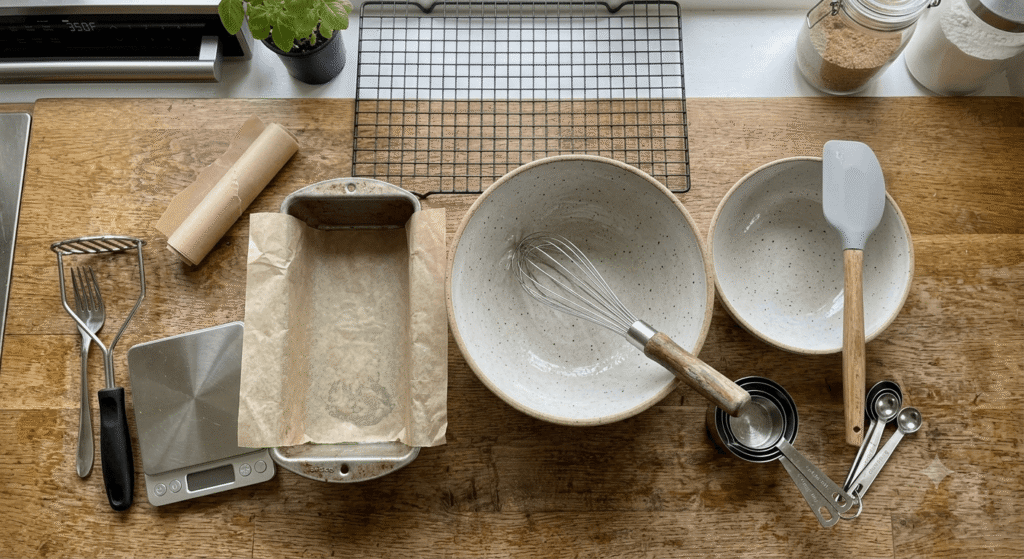
You don’t need a stand mixer or expensive baking tools to make exceptional banana bread. A few reliable kitchen essentials are all it takes to produce a moist, evenly baked loaf with a tender crumb and beautifully golden crust.
🍞 9×5-Inch Loaf Pan
A standard 9×5-inch loaf pan is the best choice for this recipe. It provides enough space for the batter to rise evenly while creating the classic banana bread shape.
If you’re using an 8½×4½-inch loaf pan, the batter will sit slightly higher, and the bread may require an additional 5–10 minutes of baking time.
Pro Tip: Light-colored metal loaf pans bake more evenly than dark pans, which tend to brown the outside more quickly.
🥣 Large Mixing Bowl
A large mixing bowl gives you plenty of room to combine the wet and dry ingredients without spilling. It also makes folding the batter much easier, helping prevent overmixing.
🥄 Medium Mixing Bowl
Use a separate medium bowl to whisk together the flour, baking soda, salt, and spices. Mixing the dry ingredients first ensures the leavening agents are evenly distributed throughout the batter.
🥄 Whisk
A whisk is ideal for blending the dry ingredients and combining the wet ingredients until smooth. It helps break up any lumps in the brown sugar and evenly incorporates the eggs.
🥣 Rubber or Silicone Spatula
A flexible spatula is one of the most important tools for quick breads.
It allows you to:
- Fold the batter gently.
- Scrape the sides and bottom of the bowl.
- Prevent overmixing.
- Transfer every bit of batter into the loaf pan.
Avoid using an electric mixer once the flour has been added, as it can quickly overwork the batter.
🍌 Potato Masher or Fork
Either works well for mashing ripe bananas.
Mash until mostly smooth while leaving a few small pieces for extra banana flavor and texture.
⚖️ Measuring Cups and Measuring Spoons
Accurate measurements are essential for successful baking.
For the most consistent results:
- Spoon flour into the measuring cup.
- Level it with a knife.
- Measure baking soda and salt carefully.
A small difference in baking ingredients can noticeably affect the finished loaf.
⚖️ Digital Kitchen Scale (Highly Recommended)
Although measuring cups work well, a digital kitchen scale provides the most accurate results.
Professional bakers nearly always weigh ingredients because it eliminates inconsistencies caused by packed flour or different banana sizes.
Recommended weights for this recipe:
- Flour: 250g
- Brown sugar: 150g
- Mashed bananas: 340g
- Butter: 113g
🧻 Parchment Paper (Optional but Recommended)
Lining the loaf pan with parchment paper creates convenient “handles” that allow you to lift the finished loaf out of the pan without sticking or breaking.
Leave a small overhang on both long sides for easy removal.
🌡️ Oven Thermometer (Recommended)
Many home ovens bake 10–25°F hotter or cooler than the temperature shown on the dial.
An inexpensive oven thermometer helps ensure your banana bread bakes evenly and reduces the risk of underbaking or overbaking.
🌡️ Instant-Read Thermometer (Optional)
Want to know exactly when your banana bread is done?
Insert an instant-read thermometer into the center of the loaf.
The bread is fully baked when the internal temperature reaches approximately:
200–205°F (93–96°C)
This is especially useful for beginners who aren’t yet confident using visual cues alone.
🧊 Wire Cooling Rack
After removing the loaf from the pan, place it on a wire cooling rack.
This allows air to circulate around the bread, preventing condensation from forming underneath and helping maintain a tender crust.
Visual Doneness Guide
If you’re unsure whether your banana bread is fully baked, look for these signs:
| What You See | What It Means |
|---|---|
| Deep golden-brown crust | The exterior has baked properly. |
| Natural crack across the top | A classic sign of a well-risen quick bread. |
| Loaf feels firm but slightly springy | The interior is fully baked. |
| Toothpick has a few moist crumbs | Perfectly baked. |
| Wet batter on the toothpick | Needs more baking time. |
| Internal temperature of 200–205°F (93–96°C) | Fully cooked and ready to cool. |
Common Mistakes to Avoid
Even simple recipes can go wrong if a few basic baking principles are overlooked.
❌ Using bananas that aren’t ripe enough
Ripe bananas provide the sweetness and moisture that make banana bread flavorful.
❌ Overmixing the batter
Mix only until the flour disappears to keep the loaf soft and tender.
❌ Adding too much flour
Measure flour carefully or weigh it for the most consistent results.
❌ Opening the oven too early
Wait until at least 40 minutes before checking the loaf to avoid disrupting the rise.
❌ Cutting the bread while it’s still hot
Let the loaf cool before slicing so the crumb has time to set.
Baker’s Secret
For even better flavor, wrap the completely cooled banana bread tightly and let it rest overnight at room temperature. By the next day, the moisture has redistributed throughout the loaf, the crumb becomes even softer, and the banana flavor is noticeably richer. Many bakers find that banana bread tastes even better on the second day than it does fresh from the oven.
Expert Baking Tips
A few small techniques can make a noticeable difference in the texture, flavor, and appearance of your banana bread. Whether you’re baking your first loaf or your fiftieth, these expert tips will help you achieve consistent, bakery-quality results every time.
🍌 1. Use Bananas That Are Truly Overripe
The ripeness of your bananas has the biggest impact on the final loaf.
Look for bananas that have:
- Dark brown spots covering most of the peel.
- Soft flesh that mashes easily.
- A sweet, fragrant aroma.
Avoid using firm yellow bananas, as they contain more starch and less natural sugar.
Best Practice: If your bananas aren’t ripe enough, let them sit at room temperature for a day or two before baking.
⚖️ 2. Weigh Ingredients Whenever Possible
Baking is a science, and even small measurement differences can affect the final result.
Using a digital kitchen scale helps ensure:
- Consistent texture
- Better moisture balance
- Reliable baking times
- Repeatable results
Especially important ingredients to weigh:
- Flour
- Brown sugar
- Mashed bananas
- Butter
🥣 3. Mix the Batter Gently
Once the flour is added, switch to a rubber spatula and fold the batter gently.
Stop mixing as soon as no dry flour remains.
The batter should still look slightly lumpy.
Overmixing develops gluten, producing a tougher loaf with a tighter crumb.
🌡️ 4. Check Your Oven Temperature
Many home ovens run hotter or cooler than the temperature shown on the control panel.
If your banana bread consistently browns too quickly or takes much longer than expected, an oven thermometer can help identify temperature differences.
A correctly heated oven produces:
- Even rise
- Better crumb
- Uniform crust color
🍞 5. Choose the Right Loaf Pan
Pan size affects both baking time and loaf shape.
| Pan Size | Expected Result |
|---|---|
| 9×5-inch | Standard loaf with even baking |
| 8½×4½-inch | Taller loaf; may require 5–10 extra minutes |
| Mini loaf pans | Shorter baking time; check after 25–35 minutes |
⏲️ 6. Start Checking Near the End of Baking
Every oven bakes a little differently.
Begin checking the bread around 55 minutes, but don’t rely on time alone.
Look for:
- A golden-brown crust.
- A firm center.
- A toothpick with moist crumbs.
- A slight spring when gently pressed.
🍫 7. Don’t Overload the Batter
Mix-ins add flavor and texture, but too many can weigh down the loaf.
Aim for ¾ to 1 cup total of:
- Chocolate chips
- Walnuts
- Pecans
- Coconut
- Dried fruit
Keeping the total amount within this range helps the bread rise properly while ensuring every slice is balanced.
🌰 8. Toast Nuts Before Adding Them
If using walnuts or pecans, lightly toast them in a 350°F (175°C) oven for 5–7 minutes.
Toasting enhances their natural oils, creating a deeper, richer flavor and a crisp texture that stands out in the finished loaf.
❄️ 9. Let the Bread Cool Completely
Fresh banana bread smells irresistible, but slicing it too soon can cause the center to appear gummy.
Allow the loaf to:
- Cool in the pan for 10–15 minutes.
- Finish cooling on a wire rack for at least 20–30 minutes.
This resting time helps the crumb set and makes cleaner slices.
📅 10. Banana Bread Tastes Even Better the Next Day
One of the best-kept secrets of quick breads is that the flavor improves after resting.
During storage:
- Moisture redistributes evenly.
- Banana flavor becomes more pronounced.
- The crumb becomes softer and more cohesive.
If you can wait until the next day, you’ll often be rewarded with an even better loaf.
Common Mistakes (and How to Fix Them)
Even experienced bakers occasionally run into problems. Here’s how to identify the most common issues and avoid them in future batches.
| Problem | Most Likely Cause | How to Fix It |
|---|---|---|
| Dense banana bread | Overmixed batter | Fold gently until just combined. |
| Dry loaf | Too much flour or overbaking | Measure flour accurately and check for doneness early. |
| Gummy center | Underbaked or too much banana | Bake until fully cooked and use the recommended amount of mashed bananas. |
| Bread sank in the middle | Oven opened too early or leavening was old | Keep the oven closed during the first 40 minutes and use fresh baking soda. |
| Pale crust | Oven temperature too low | Verify oven temperature with an oven thermometer. |
| Tough texture | Excessive mixing | Mix only until the flour disappears. |
| Mix-ins sank to the bottom | Added without coating | Toss chocolate chips or nuts with a teaspoon of flour before folding them into the batter. |
| Bread stuck to the pan | Pan not prepared properly | Grease well or line the pan with parchment paper. |
| Crust browned too quickly | Oven runs hot | Tent loosely with foil during the final 15–20 minutes if needed. |
| Uneven rise | Ingredients not evenly mixed | Whisk dry ingredients thoroughly before combining with the wet ingredients. |
Baker’s Notes
- A crack running down the center of the loaf is completely normal and is a sign that the bread expanded properly as it baked.
- If using frozen bananas, thaw them completely and include any liquid released during thawing. That liquid contains concentrated banana flavor and contributes to the loaf’s moisture.
- Resist adding extra banana “for more flavor.” Too much mashed banana can make the loaf heavy and prevent the center from baking through properly.
- If you’re baking at a high altitude, you may need slight adjustments to the flour, liquid, or baking time. Follow high-altitude baking guidelines if you live above approximately 3,000 feet (900 meters).
Senior Baker’s Tip: Consistency is more important than complexity. Accurate measurements, gentle mixing, and using very ripe bananas will have a far greater impact on your banana bread than adding extra ingredients or complicated techniques.
Recipe Variations
One of the best things about banana bread is how easy it is to customize. Once you’ve mastered the classic recipe, you can create a variety of delicious versions by adding different mix-ins, spices, or toppings. The following variations have been selected because they complement the flavor and texture of the bread without changing the overall baking method.
🍫 Chocolate Chip Banana Bread
Chocolate chips are one of the most popular additions to banana bread. They melt into rich pockets of chocolate that pair perfectly with the sweet banana flavor.
Add
- ¾ cup (130g) semi-sweet chocolate chips
Optional
Sprinkle an additional 2 tablespoons of chocolate chips over the top of the batter before baking for a bakery-style appearance.
Best For: Dessert, afternoon snacks, and lunchboxes.
🌰 Banana Nut Bread
For a classic bakery favorite, add chopped walnuts.
Add
- ¾ cup (85g) chopped walnuts
For the richest flavor, lightly toast the walnuts for 5–7 minutes before folding them into the batter.
Best For: Breakfast and coffee breaks.
🌰 Banana Pecan Bread
Pecans provide a sweeter, buttery flavor than walnuts and pair beautifully with brown sugar and cinnamon.
Add
- ¾ cup (85g) chopped pecans
Top the loaf with a few extra pecans before baking for added crunch.
🍯 Cinnamon Streusel Banana Bread
Transform this simple loaf into a bakery-style treat with a buttery cinnamon crumb topping.
Streusel Topping
Mix together:
- ¼ cup (30g) all-purpose flour
- 2 tablespoons (25g) light brown sugar
- ¼ teaspoon cinnamon
- 2 tablespoons (28g) cold butter
Rub together until coarse crumbs form and sprinkle evenly over the batter before baking.
The topping becomes crisp and golden while the bread stays soft underneath.
🍫 Double Chocolate Banana Bread
For serious chocolate lovers, replace part of the flour with cocoa powder.
Adjustments
- Replace ¼ cup (30g) of flour with unsweetened cocoa powder.
- Add ¾ cup (130g) chocolate chips.
The result is a rich, moist loaf with an intense chocolate flavor balanced by the sweetness of ripe bananas.
🫐 Blueberry Banana Bread
Fresh or frozen blueberries add bursts of juicy sweetness throughout the loaf.
Add
- 1 cup (150g) blueberries
If using frozen berries, add them directly from the freezer without thawing to help prevent the batter from turning purple.
🥥 Coconut Banana Bread
For a subtle tropical twist, stir shredded coconut into the batter.
Add
- ½ cup (40g) unsweetened shredded coconut
Optional: Sprinkle toasted coconut over the finished loaf before serving.
🍁 Maple Pecan Banana Bread
Replace the vanilla extract with 1 teaspoon maple extract and fold in chopped pecans.
The warm maple flavor pairs especially well with bananas during the fall and holiday season.
🍓 Berry Banana Bread
Try adding one of the following:
- Raspberries
- Blackberries
- Chopped strawberries
Use about ¾ cup of fruit and gently fold it into the batter to avoid crushing the berries.
🌾 Whole Wheat Banana Bread
For a heartier loaf, replace up to 50% of the all-purpose flour with whole wheat flour.
This adds a mild nutty flavor while maintaining a soft texture.
Replacing all of the flour may result in a denser loaf.
🥛 Greek Yogurt Banana Bread
Replace ¼ cup of the melted butter with ¼ cup plain Greek yogurt.
This creates an extra-soft crumb while adding a slight tang that complements the banana flavor.
🌱 Dairy-Free Banana Bread
To make this recipe dairy-free:
- Replace butter with vegetable oil or melted coconut oil.
- Use dairy-free chocolate chips if adding chocolate.
The bread remains moist with only a slight change in flavor.
🌾 Gluten-Free Banana Bread
Use a 1:1 gluten-free all-purpose flour blend that includes xanthan gum or follow the manufacturer’s recommendations.
Avoid substituting single gluten-free flours, as they generally won’t provide the same structure.
Mini Banana Loaves
Instead of one large loaf, divide the batter among mini loaf pans.
- Bake Time: 25–35 minutes
Check for doneness with a toothpick inserted into the center.
Mini loaves make thoughtful homemade gifts and are perfect for freezing.
Banana Bread Muffins
Want individual portions instead?
Divide the batter into a standard 12-cup muffin pan, filling each cup about three-quarters full.
- Bake Time: 20–25 minutes
You’ll get soft, fluffy banana muffins with the same delicious flavor as the classic loaf.
Flavor Boosters
Want to make your banana bread even more flavorful? Try adding one or two of these ingredients.
- ½ teaspoon espresso powder (enhances chocolate variations)
- 1 teaspoon orange zest
- ½ teaspoon almond extract
- ¼ teaspoon cardamom
- 2 tablespoons chopped crystallized ginger
- 2 tablespoons toasted oats sprinkled over the top
These small additions create unique flavor combinations without overwhelming the classic banana taste.
Mix-and-Match Ideas
Here are a few tried-and-true combinations that work especially well together:
| Combination | Why It Works |
|---|---|
| Chocolate chips + walnuts | Rich chocolate balanced by crunchy nuts. |
| Pecans + cinnamon | Warm, buttery, and perfect for fall baking. |
| Blueberries + lemon zest | Bright, fresh flavor with juicy bursts of fruit. |
| Coconut + dark chocolate | A tropical-inspired variation with rich sweetness. |
| Streusel + pecans | Bakery-style texture with a crisp, buttery topping. |
| Chocolate chips + peanut butter drizzle | A dessert-style loaf with indulgent flavor. |
Baker’s Tip: Keep the total amount of mix-ins between ¾ and 1 cup. Adding more than this can weigh down the batter, making the loaf denser and increasing the baking time.
Storage, Freezing & Reheating – How to Store Banana Bread
Banana bread stores exceptionally well, and many people find that its flavor becomes even richer the day after baking. Whether you’re saving a few slices for breakfast or freezing a loaf for later, proper storage helps preserve its soft texture and fresh banana flavor.
At Room Temperature (Best Method)
Once the banana bread has cooled completely, wrap it tightly in plastic wrap or aluminum foil, or place it in an airtight container.
For the best texture:
- Store the loaf whole whenever possible.
- Slice only what you plan to eat.
- Keep it in a cool, dry place away from direct sunlight.
Storage Time: Up to 4 days
Pro Tip: Place a sheet of paper towel inside the container to absorb excess moisture, especially if you live in a humid climate.
In the Refrigerator
Although refrigeration extends freshness, it can also dry out quick breads more quickly.
If you choose to refrigerate:
- Wrap the loaf tightly.
- Store it in an airtight container.
Storage Time: Up to 1 week
Allow slices to come to room temperature or warm them before serving for the best flavor and texture.
Can You Freeze Banana Bread?
Yes! Banana bread freezes beautifully and is one of the best make-ahead baked goods.
To Freeze a Whole Loaf
- Let the bread cool completely.
- Wrap it tightly in plastic wrap.
- Wrap again with aluminum foil or place it in a freezer-safe bag.
- Label with the freezing date.
Freezer Life: Up to 3 months
To Freeze Individual Slices
Freezing individual slices makes it easy to enjoy homemade banana bread whenever you want.
- Slice the cooled loaf.
- Place parchment paper between slices to prevent sticking.
- Store the slices in a freezer-safe bag or airtight container.
This method allows you to remove only the number of slices you need.
How to Thaw Banana Bread
Room Temperature
Place the wrapped loaf or slices on the counter.
- Whole loaf: 3–4 hours
- Individual slices: 30–60 minutes
This method preserves the texture best.
Microwave
For a quick snack:
- Warm one slice for 15–20 seconds.
The bread becomes soft and warm, making it perfect with butter.
Oven
For a freshly baked taste:
- Preheat the oven to 300°F (150°C).
- Wrap the loaf loosely in aluminum foil.
- Warm for 10–15 minutes.
This helps restore the soft interior while keeping the crust lightly crisp.
How to Reheat Banana Bread
Depending on how you’d like to serve it, there are several easy ways to reheat banana bread.
Oven
- Temperature: 300°F (150°C)
- Time: 8–10 minutes for slices or 10–15 minutes for a whole loaf.
Ideal for restoring a freshly baked texture.
Microwave
- Time: 15–20 seconds per slice.
Best for a quick breakfast or afternoon snack.
Toaster
Lightly toast individual slices until the edges become crisp.
Serve with:
- Butter
- Cream cheese
- Peanut butter
- Almond butter
- Honey
Toasting creates a delicious contrast between the crisp exterior and soft interior.
Air Fryer
- Temperature: 320°F (160°C)
- Time: 3–4 minutes
This method creates lightly crisp edges while keeping the center moist.
Make-Ahead Tips
Planning ahead?
These simple tips make banana bread even more convenient.
Prepare the Dry Ingredients
Measure and combine the flour, baking soda, salt, and spices up to one week in advance.
Store them in an airtight container until you’re ready to bake.
Freeze Ripe Bananas
Whenever bananas become overripe:
- Peel them.
- Store them in freezer-safe bags.
- Freeze for up to 3 months.
Thaw before baking and include any liquid released during thawing, as it contains concentrated banana flavor.
Bake for the Week
Bake one loaf on the weekend and enjoy slices throughout the week for:
- Breakfast
- Lunchboxes
- Afternoon coffee
- Late-night snacks
Banana bread remains one of the easiest homemade baked goods to prepare ahead of time.
Storage Tips at a Glance
| Storage Method | How Long It Lasts | Best For |
|---|---|---|
| Room Temperature | 3–4 days | Best overall freshness |
| Refrigerator | Up to 1 week | Warm climates |
| Freezer | Up to 3 months | Long-term storage |
| Prepared Dry Mix | Up to 1 week | Faster baking prep |
| Frozen Ripe Bananas | Up to 3 months | Future baking |
Baker’s Note
If you have the patience, wait until the next day to enjoy your banana bread. During the first 24 hours, the moisture redistributes throughout the loaf, creating an even softer crumb and a richer banana flavor. Many experienced bakers consider day-two banana bread to be the best.
Frequently Asked Questions
Can I use frozen bananas for banana bread?
Yes. Frozen bananas work very well in banana bread. Thaw them completely before using, then mash them along with any liquid released during thawing. That liquid contains concentrated banana flavor and helps keep the loaf moist.
How ripe should bananas be for banana bread?
The best bananas have plenty of brown spots or peels that are mostly brown or black. As bananas ripen, they become sweeter and softer, giving the bread better flavor, moisture, and texture.
Why did my banana bread turn out dry?
Dry banana bread is usually caused by:
- Measuring too much flour
- Overbaking
- Using bananas that weren’t ripe enough
- Not enough mashed banana
For the best results, measure flour carefully and begin checking the loaf for doneness near the end of the recommended baking time.
Why is my banana bread dense?
A dense loaf is often the result of overmixing the batter after adding the flour. Overmixing develops gluten, making the bread heavier instead of light and tender.
Mix only until the dry ingredients are incorporated.
Why is the center of my banana bread gummy?
A gummy center usually means the loaf needs more baking time or contains too much mashed banana. Bake until a toothpick inserted into the center comes out with a few moist crumbs, not wet batter.
Why did my banana bread sink in the middle?
A sunken loaf can happen if:
- The oven door was opened too early.
- The batter was overmixed.
- The baking soda was expired.
- The loaf was underbaked.
Keeping the oven closed during the first 40 minutes of baking helps the bread rise properly.
Is the crack on top of banana bread normal?
Yes. A crack running along the center is completely normal and is considered a sign of a well-risen quick bread. As the batter expands during baking, the top naturally splits.
Can I make banana bread without butter?
Yes. Replace the melted butter with an equal amount of neutral vegetable oil, melted coconut oil, or another suitable baking fat. The texture may be slightly softer, but the bread will still be moist and flavorful.
Can I reduce the sugar?
Yes. You can reduce the sugar slightly, especially if your bananas are very ripe. Keep in mind that sugar contributes not only sweetness but also moisture and tenderness, so reducing it too much may change the texture.
Can I add chocolate chips or nuts?
Absolutely. Chocolate chips, walnuts, and pecans are classic additions.
For the best texture, keep the total amount of mix-ins between ¾ and 1 cup, and lightly coat them with a teaspoon of flour before folding them into the batter.
Can I make banana bread into muffins?
Yes. Divide the batter evenly among a standard 12-cup muffin pan, filling each cup about three-quarters full. Bake at 350°F (175°C) for 20–25 minutes, or until a toothpick inserted into the center comes out with a few moist crumbs.
How do I know when banana bread is fully baked?
Look for these signs:
- A deep golden-brown crust
- A crack across the top
- A toothpick with a few moist crumbs
- A center that springs back lightly when pressed
If using an instant-read thermometer, the internal temperature should be 200–205°F (93–96°C).
How long does banana bread stay fresh?
When stored in an airtight container at room temperature, banana bread stays fresh for about 3–4 days. It can also be refrigerated for up to 1 week or frozen for up to 3 months.
Can I use whole wheat flour?
Yes. For the best balance of flavor and texture, replace up to 50% of the all-purpose flour with whole wheat flour. Using all whole wheat flour will produce a denser loaf.
Why does banana bread taste better the next day?
As the loaf rests, moisture redistributes throughout the crumb and the banana flavor continues to develop. This results in a softer texture and a richer, more balanced flavor, which is why many bakers prefer banana bread on the second day.
Quick Answers
| Question | Short Answer |
|---|---|
| Can I freeze banana bread? | Yes, for up to 3 months. |
| Can I use frozen bananas? | Yes, after thawing completely. |
| Should bananas be overripe? | Yes, the riper the better. |
| Why is my bread dense? | Usually from overmixing. |
| Why is it dry? | Too much flour or overbaking. |
| Can I make muffins? | Yes, bake for 20–25 minutes. |
| Is the top crack normal? | Yes, it’s expected. |
| Can I add chocolate chips? | Yes, up to 1 cup of mix-ins total. |
Final Baker’s Tip: Banana bread is one of the most forgiving baked goods, but the best results come from a few simple habits: use very ripe bananas, measure ingredients accurately, mix the batter gently, and allow the loaf to cool before slicing. These small details consistently produce a moist, tender loaf with rich banana flavor.
